
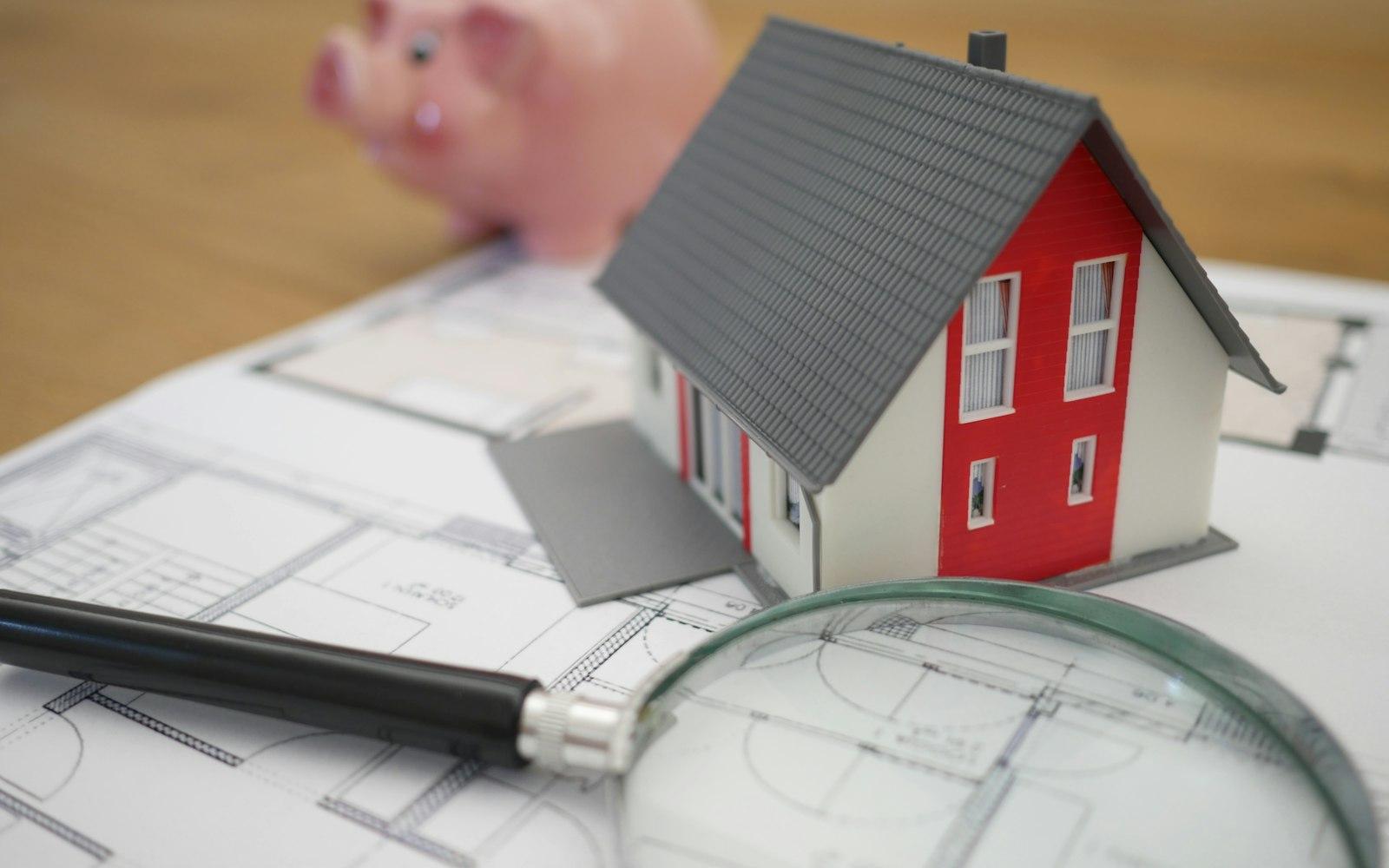
Buying a home is often the largest single purchase a consumer will make. People purchase their first home, move up to a larger home, or purchase rental property as an investment. Each of these requires understanding the condition of the property being purchased.
A home inspection in Dayton, Ohio, provides buyers with an independent evaluation of a home’s major visible components. A home inspection answers many questions about the condition of a home’s roof, foundation and major systems, including the electrical, plumbing and HVAC systems.
Understanding the home inspection process will help you make informed decisions when purchasing a home.
This article walks home buyers in Dayton, Ohio, through the home inspection process, what to expect, additional tests that may be worth considering, and how to interpret the home inspection report.
Why Is a Home Inspection Important Before Buying a Property?
Just because a property appears attractive to a potential buyer doesn't mean there aren’t issues with the roof, foundation or other systems that may not be readily apparent.
A home inspection in Dayton, Ohio, gives the home buyer an independent assessment of the various components of a home before a final decision to purchase is made.
Here are some compelling reasons to have an inspection.
1. Identify Potential Property Problems
An inspection may identify potential issues with the property, such as roof problems, water intrusion, defective materials, and electrical and plumbing defects. Knowing about these issues gives you the chance to look into them before closing on the property.
2. Understand Future Repair Requirements
Inspections can reveal defects and issues that a buyer may have to address in the future. Some findings may point to routine repairs, while others may indicate a developing problem that will need attention.
3. Make More Informed Purchasing Decisions
Knowing the condition of the home helps you decide whether the property is right for you, whether to ask questions of the seller, and how to approach the rest of the purchase process with your real estate agent.
4. Prioritise Safety Concerns
Electrical issues, problems with stairs, structural issues and other conditions that may create safety concerns can be identified during the inspection process so they can be addressed.
5. Plan Your Homeownership Budget
Home ownership comes with maintenance costs, and the home inspection process may identify some of these. Knowing about them beforehand gives you the opportunity to budget for them.
What Does a Home Inspection Cover?
The standard home inspection is a visual inspection of the major systems and structures of the home. During this inspection, the inspector identifies components that don’t function properly or may create safety concerns.
At 1st Inspection Services, our home inspections cover the following major areas:
1. Roof and Attic
Inspection may reveal:
- Missing, deteriorated and damaged roofing materials.
- Evidence of roof leaks, water infiltration and dampness.
- Accessible flashing and roof penetrations.
- Attic ventilation.
- Moisture problems in the attic.
2. Electrical Systems
Electrical problems can create safety concerns and may need work by a licensed electrician.
Inspection may find:
- Damaged electrical parts.
- Exposed and improperly installed wiring.
- Problems with electrical panels.
- Circuit breakers that do not function properly.
- 2- and 3-way switches that do not function properly.
- Safety concerns with electrical systems.
3. Plumbing
Problems with the plumbing system can be expensive and inconvenient.
Inspection may include:
- Visible water supply and drain pipes.
- Sinks, faucets and fixtures.
- Toilets and plumbing connections.
- Signs of water leakage and water damage.
- Water pressure and drainage.
4. Foundation and Structure
The foundation and supporting structural elements maintain the stability of the property.
Home buyers should consider:
- Moisture infiltration and cracks in the foundation.
- Uneven and sloping floors.
- Signs of structural deterioration.
- Concerns with support elements.
The presence of a crack does not always indicate a serious structural problem. If a crack appears large or concerning, an evaluation by a structural professional may be required.
5. Heating, Ventilation and Air Conditioning (HVAC)
Problems with the HVAC system may adversely affect the comfort and habitability of the property.
Inspection may include:
- Heating and cooling systems.
- Ductwork.
- Thermostats.
- Signs of deterioration in HVAC systems.
- Normal operation of systems, where conditions allow.
A regular home inspection is not a substitute for a professional HVAC system evaluation.
6. Exterior Areas
Moisture issues around a home can cause decay and create an environment for mold to grow.
The home inspection may include the following:
- Exterior wall coverings and damage.
- Doors and windows.
- Decks, porches, stairs and railings.
- Gutters.
- Drainage around the home.
- Driveways, walkways and patios.
7. Interior Areas
The condition of the interior components may indicate the overall condition and usage of the home.
The home inspection may include the following:
- Walls, ceilings and floors.
- Doors and windows.
- Stairways and railings.
- Cabinets and countertops.
- Any obvious deterioration or moisture issues.
- Selected kitchen appliances.
8. Garage
The garage should also be part of the home assessment.
The home inspection may include the following:
- Garage door and opener.
- Electrical and mechanical issues.
- Moisture issues.
- General safety issues.
The actual scope of the inspection is set by the inspection agreement and applicable Ohio standards, and may vary.
Common Problems Homebuyers Should Watch for in Dayton, Ohio
Foundation Cracks and Structural Concerns
Look for signs of movement in the home, such as cracks in the foundation and uneven floors. Some cracks may be normal for the type of construction, but others may indicate a serious problem.
If your home inspector notes a condition that needs more review, consider getting the opinion of a licensed professional in that field.
Water Intrusion and Basement Moisture
Moisture in basements and lower levels can affect building materials and conditions within the home. Look for stains and deterioration of building materials, and consider the condition of the grading and drainage around the home.
Roof Deterioration
A deteriorating roof may need to be replaced. Look for missing shingles, deteriorating flashing, leaks and other problems with the roof.
Outdated Electrical Components
Older homes may have electrical systems and components that are out of date and problematic. Have a qualified electrician look at problematic systems and components if needed.
Plumbing Leaks and Drainage Issues
Failing to address deteriorating plumbing systems and components can be very costly. Consider the condition of the plumbing before you purchase.
Heating and Cooling Problems
Replacing HVAC systems can be costly, so heating and cooling problems should be addressed. Have the systems evaluated if needed.
Should Buyers Consider Additional Home Inspection Services?
A home inspection provides a general review of a home’s condition. If you think there may be a problem in a particular area, you may want to have it reviewed specifically by a specialist in that field.
Depending on the property’s age, location, condition and inspection findings, buyers might want to consider some of the following services:
- Termite/WDI inspection: Identifies evidence of wood-destroying insects and related damage.
- Radon testing: Measures radon levels to identify potential exposure concerns.
- Mold inspection: Helps investigate suspected mold or moisture-related concerns.
- New construction inspection: Evaluates observable construction issues in a newly built property.
- 11-month warranty inspection: Identifies concerns before the builder's one-year warranty period ends, where applicable.
These services often are not part of a standard home inspection, so buyers should verify the scope of services, availability and the qualifications of the service provider.
For example, a radon test may be worth considering, since radon is an odourless and colourless gas that cannot be detected through a visual inspection.
Likewise, a termite/WDI inspection may be a good idea if there is evidence of damage to wood, or if the buyer wants an independent evaluation for termites and other wood-destroying insects.
What Should You Do Before Scheduling a Home Inspection?
Preparing for your home inspection can help you get the most value from it and make sure your questions are answered.
Here are some things to do before you have your home inspected.
1. Review the Property Listing
Check the age and construction of the home, renovations and features, and note any issues you would like the inspector to look at.
2. Discuss Your Concerns With the Inspector
While viewing the property, did you notice any water stains, odours or cracks? Any deterioration of the roof or signs of repair attempts? Let the inspector know.
3. Confirm the Inspection Scope
What systems and components will be included in the scope? Are there any areas that will be inaccessible? Will additional services, like a radon test or mold or WDI inspection, be performed?
4. Understand the Inspection Agreement
Before the inspection, review the property details, inspection scope and fee, and when the report will be delivered.
5. Coordinate Access to the Property
Make sure the necessary arrangements have been made to give the inspector access to the property. Restricted access may limit what the inspector can examine.
6. Attend the Inspection When Possible
By being present for the inspection, you can better understand the condition of the property and the inspector's findings.
How to Understand Your Home Inspection Report
The home inspection report details the condition of the home at the time of the inspection and gives buyers important information about the home being purchased.
An organised and clear report is easier to read and understand, and it may include photos.
Your report includes a detailed description of the property. Read the descriptions of the findings and consider the following points.
Identify Significant Findings
Read the findings regarding electrical systems, the roof, water intrusion, major appliances and structural concerns.
Understand the Difference Between Maintenance and Defects
Not all findings require the same level of attention. Routine maintenance should not be treated the same as a defect that requires correction.
Review Recommended Further Evaluations
The report may recommend evaluation by a specialist (electrician, structural engineer, roofing contractor, plumber, etc.). It is a good idea to get these evaluations before making a purchase decision.
Ask Questions About Unclear Findings
If you don’t understand a finding, you can ask the inspector to explain it and provide more information.
Discuss Your Options With Your Real Estate Agent
Discuss the findings with your real estate agent to see how they may help you negotiate credits or repairs as part of the purchase.
You make the final decision. Inspection reports provide the information you need to make a decision; they don't make the decision for you.
Why Choose 1st Inspection Services for a Home Inspection in Dayton?
1st Inspection Services has qualified inspectors who can help you with the decision-making process of a large purchase.
1st Inspection Services offers home inspection services in Dayton, Ohio. Our qualified home inspectors provide a visual, non-invasive evaluation of the homes you are interested in purchasing, covering 8 key areas of the home.
Our inspectors take digital photos to document their findings and provide a report with information to help you understand the concerns related to the components evaluated.
- Timely Reporting: Residential inspection reports are provided within 24 hours.
- Local Inspection Support: Buyers can contact the Dayton office to enquire about inspections and scheduling.
- Other Inspection Services: In addition to home inspections, termite/WDI inspections, radon testing and mold inspections are available, as well as new construction and 11-month warranty inspections.
Dayton Office Contact Details
1st Inspection Services – Dayton
707 Miamisburg Centerville Rd., #164, Dayton, OH 45459
Phone: 937.684.9544 | Email: dayton@1stinspections.com
Ohio State License: OHI.2019006591
When you are considering the purchase of a home in Dayton, a professional home inspection can help you evaluate the condition of the property before you reach a final decision.
Final Thoughts
When purchasing a home, it is important to consider the condition of the property beyond its appearance and location. A professional home inspection provides information about the concerns of the home you are considering and gives you the opportunity to make an informed decision.
From the roof to the plumbing and electrical systems to the foundation and HVAC, an inspection report helps identify a home’s issues and needs before the sale.
If you are purchasing a home in Dayton or the surrounding areas, contact 1st Inspection Services for a home inspection and peace of mind with your home-buying decision.
Frequently Asked Questions
Is a home inspection necessary before buying a house in Dayton, Ohio?
A home inspection isn’t required, but it is strongly recommended because it gives the buyer insight into the condition of the property before the purchase. It can identify safety concerns, maintenance issues and defects.
How long does a home inspection take in Dayton, Ohio?
The length of an inspection depends on several factors, including the size, age, condition and accessibility of the property. A typical residential inspection takes between 2 and 4 hours.
What does a standard home inspection include?
A residential home inspection includes, but isn’t limited to, the attic, roof, HVAC, electrical and plumbing systems, foundation and structure, interior, exterior and garage.
Should I attend my home inspection?
Yes. Attending is beneficial because you can learn about the property and ask questions. Just avoid getting in the way of or distracting the inspector.
What happens if the home inspection identifies problems?
If the inspector identifies issues, you and your real estate agent should review the report and discuss them. Depending on the issues and the inspection contingency, you may want a specialist to inspect the property, ask the seller to pay for certain repairs, or reconsider purchasing the house.
- #Home Inspection
- #Dayton Ohio
- #Home Buyers